

Hip Labrum Tears: Causes And Treatment Options
A hip labral tear can lead to pain and interfere with daily activities, potentially affecting overall mobility. The labrum is a ring of cartilage that helps stabilize the hip joint. When this is affected, it can cause discomfort and a limited range of motion.
These tears are often observed in athletes, dancers, and individuals who engage in repetitive movements, but they can occur in anyone. Furthermore, structural differences in the hip joint may increase the risk of a labral tear.
For individuals in the New Jersey area, Pain Doctors Medical at 495 North 13th Street, Newark, NJ, and Pain Doctors Medical at 75 Smith Street, Perth Amboy, are two locations within the licensed Regenexx network. Physicians in the licensed Regenexx network may help evaluate and address the symptoms of hip labrum injury through interventional orthobiologic procedures. Early consultation with a physician may help guide treatment planning and may prevent the condition from worsening.
This location is for evaluation appointments only.
How the Hip Labrum Supports Joint Stability
The hip labrum is a ring of cartilage that surrounds the outer edge of the acetabulum, or hip socket. It contributes to joint stability by forming a seal around the socket, helping to keep the femoral head the top portion of the thighbone securely in place. This seal promotes smooth movement of the hip and can reduce friction between the bones.
The labrum also helps distribute pressure evenly across the joint during activities such as walking, twisting, or running. Its cushioning function supports a greater range of motion while protecting the hip from gradual wear and stress over time.
What Is a Hip Labrum Tear?
A hip labral tear happens when the cartilage lining the edge of the acetabulum (hip socket) is damaged. This type of injury can develop gradually due to repetitive stress or occur suddenly from trauma, such as a fall or direct impact. Healthcare providers evaluate these injuries to determine the most appropriate care.
Damage to the hip labrum can lead to discomfort, joint instability, and reduced range of motion. The severity of symptoms can vary: some people may have only mild discomfort, while others may experience limitations in daily activities.
Types of Labral Tears
Hip labral tears can appear in different areas of the cartilage, and the location of the tear may influence symptoms and the activities that aggravate the hip. The main types are anterior and posterior labral tears.
- Anterior Labral Tear: Found at the front of the hip joint, this is the most common type. It can result from repetitive hip flexion and rotation during activities such as running, soccer, or hockey. Pain is often felt in the front of the hip or groin, especially during movement.
- Posterior Labral Tear: Located at the back of the hip joint, posterior tears are less common. They can result from sudden twisting or impacts, as may occur in gymnastics or football. Symptoms may include deep buttock or rear hip discomfort and sometimes a catching sensation in the joint.
Identifying the tear location can help clarify the source of discomfort and guide treatment strategies.
Common Hip Labrum Tear Symptoms You May Experience
Not all hip labral tears cause noticeable symptoms, but some common signs may include clicking, locking, or catching in the joint, pain in the hip or groin, and limited range of motion.
When pain occurs, other factors—such as sacroiliac (SI) joint issues, nerve compression, or muscle, ligament, or tendon problems—may also contribute. A careful evaluation can help determine the underlying cause.
- Catching or Locking Sensation: May include clicking, stiffness, or discomfort in the hip or groin. Sometimes these sensations are caused by conditions other than the labrum, such as SI joint instability or pinched nerves.
- Front-of-Hip Pain: Pain in the front of the hip may result from hip flexor strain, labral tears, or joint inflammation. It may cause stiffness, discomfort with movement, and difficulty with activities such as walking or climbing stairs. Read More About Front-Of-Hip Pain.
- Loose Hip Joint: A loose or unstable hip joint may be caused by ligament laxity, previous injury, or joint degeneration. Accompanying symptoms may include discomfort, clicking sensations, and a feeling of the hip slipping or giving way during movement. Read More About Loose Hip Joints.
- Butt Pain: Pain in the buttocks may stem from muscle strain, nerve compression (such as sciatica), or joint dysfunction. Accompanying symptoms may include aching, sharp pain, or numbness, sometimes radiating to the lower back or legs. Read More About Butt Pain.
Causes of a Torn Hip Labrum
- Several factors can contribute to a hip labral tear. Understanding these causes can help guide evaluation and care.
- Structural Abnormalities: Conditions such as femoroacetabular impingement (FAI) may create an irregular fit between the femur and hip socket, potentially causing ongoing hip discomfort and increasing the risk of joint degeneration.
- Trauma: Direct impacts or falls may force the hip into unusual positions, leading to labral damage. Contact or twisting sports—such as football, ice hockey, or gymnastics—can increase the likelihood of injury.
- Degenerative Changes: Over time, cartilage wear can make the labrum more prone to tears. Factors such as age, body weight, and long-term joint stress may contribute.
- Repetitive Motion: Repeated hip rotation or twisting during activities like running, soccer, or dancing can gradually weaken the labrum and raise the risk of tearing.
Diagnosing Hip Labral Tears
Diagnosis typically involves a combination of medical history review, physical examination, and imaging studies. Physicians may perform specific movement tests to identify pain, instability, or limited range of motion.
Imaging Techniques:
- MRI with Contrast: Commonly used to visualize soft tissue structures and assess the extent of a labral tear.
- X-rays: Evaluate the hip’s bone structures and detect underlying abnormalities that may contribute to injury.
These diagnostic tools help healthcare providers determine the severity of a tear and create a care plan tailored to the individual.
Conventional Treatment Options
Treatment focuses on managing pain and supporting mobility. Recommended approaches may include:
- Nonsteroidal Anti-Inflammatory Drugs (NSAIDs): Nonsteroidal anti-inflammatory drugs (NSAIDs) help reduce pain and inflammation in conditions affecting joints, muscles, and the spine. While they provide temporary relief, prolonged use may increase heart, kidney, and gastrointestinal risks, requiring careful management. Read More About NSAIDs.
- Medications: Pain relievers may be used for short-term symptom management.
- Physical Therapy: Targeted exercises may strengthen surrounding muscles and reduce pressure on the labrum.
- Surgical Options: Surgery may be considered when conservative measures are insufficient. Common procedures include:
- Arthroscopic Labral Repair: Reattaches the torn portion of the labrum.
- Arthroscopic Debridement: Removes damaged tissue to relieve discomfort.
- Labral Replacement: Uses grafts to restore joint function when needed.
- Hip Labral Tear Surgery: Hip labral tear surgery involves repairing or removing damaged cartilage in the hip socket. It may be done arthroscopically to support joint stability and manage pain from labral injuries. Read More About Hip Labral Tear Surgery.
Risks of Hip Labrum Surgery
Typical surgical treatments for hip labral tears carry associated risks. For example, procedures that remove portions of the labrum may increase the potential for joint degeneration over time. Furthermore, surgical outcomes can vary significantly among patients.
Patients considering options for a hip labral tear are encouraged to consult with a physician in the licensed Regenexx network before deciding on surgery. A physician can conduct a thorough evaluation to assess whether interventional orthobiologic procedures may offer a less invasive treatment alternative.
Can Hip Labrum Tears Be Treated Without Surgery?
If a labral tear is contributing to hip discomfort, exploring less invasive options can be beneficial. Treatment pathways may include non-surgical methods.
Physicians in the licensed Regenexx network may use interventional orthobiologics to address labrum tears without the need for surgical intervention. Whether the tear originated from a traumatic injury or a degenerative condition, this approach may help lessen discomfort and may support the body’s natural healing response.
This non-surgical method is designed to be a less invasive alternative to typical surgical procedures, potentially offering reduced recovery times and fewer associated risks. A customized treatment plan may involve the recommendation of one or more orthobiologic injectates.
For those considering this approach, Pain Doctors Medical at 495 North 13th Street Newark, NJ, is a facility in the licensed Regenexx network where consultations with a physician are available.
| Regenexx-SD | Surgery | |
|---|---|---|
| Return to Daily Routine | 2 to 5 days | 6+ weeks |
| Return to Sports | 3 to 6 months | 1 year |
| Recovery | Brace, up to 6 weeks PT | Crutches, brace, extensive, no driving, 3 to 6 months PT |
| Pain Management | Mostly over-the-counter pain medication (days) | Prescription pain medication for weeks (weeks) |
| General Anesthesia | No | Yes |
| Keep Your Hip Labrum | Yes | No |
What Are the Risks of Hip Labrum Surgery?
Unfortunately, hip labrum surgery is often unsuccessful. In fact, in one 2014 study, 45% of patients who underwent arthroscopic hip surgery for labral tears had poor results within, on average, only five years after surgery.1
Orthopedic surgeons may not tell you this, but surgical “cleanup” of a labral tear means removing part of the labrum, which can ultimately result in degeneration and osteoarthritis in the joint.
Regenexx SD Injectate
The Regenexx SD injectate is administered via procedures that follow proprietary treatment protocols. These protocols require the lab processing of Bone Marrow Concentrate (BMC), which contains the patient’s own cellular healing agents. The proprietary Regenexx processing methods, utilized by physicians in the licensed Regenexx network, are specifically designed to yield a BMC sample with customized concentration levels. These levels may significantly exceed those typically attained by non-Regenexx providers. This highly specialized preparation may support the body’s natural capacity to reduce discomfort and may help improve function in various orthopedic conditions.
Regenexx SCP Injectate
Procedures using the Regenexx SCP injectate involve an enhanced preparation of Platelet-Rich Plasma (PRP). The process begins with drawing blood, which is then processed using Regenexx lab processes to isolate and highly concentrate growth factors. This specialized injectate is subsequently delivered to the target area using advanced image guidance to maximize accuracy. The Regenexx SCP injectate contains a greater concentration of growth factors than what is typically found in typical PRP preparations, and it may help promote the body’s natural healing response in musculoskeletal injuries.
Regenexx PL Injectate
The Regenexx PL injectate is utilized in procedures employing a lab-processed version of platelet lysate (PL). This specialized derivative of Platelet-Rich Plasma is formulated to offer a faster and more concentrated release of growth factors compared to typical PRP injectates. In certain cases, Regenexx PL may be combined with other Regenexx injectates, such as Bone Marrow Concentrate or PRP, as part of a customized plan developed by a physician in the licensed Regenexx network. These combined procedures are intended to may support tissue healing and may help improve joint function.
495 North 13th Street
Newark, NJ 07107
Request an Appointment
Call to Schedule Schedule OnlineClinic Hours
| Sunday | Closed |
| Monday | 9AM–5PM |
| Tuesday | 9AM–5PM |
| Wednesday | 9AM–5PM |
| Thursday | 9AM–5PM |
| Friday | 9AM–5PM |
| Saturday | Closed |
BEFORE and AFTER Procedure MRI Images
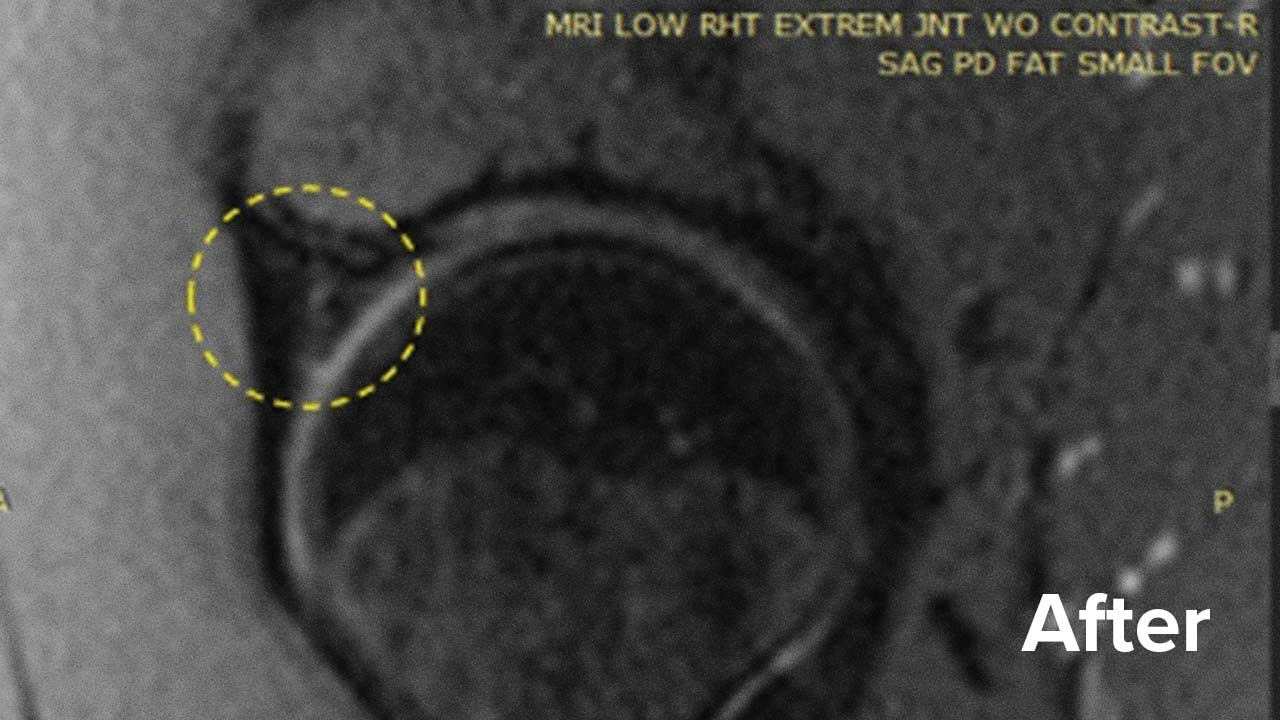
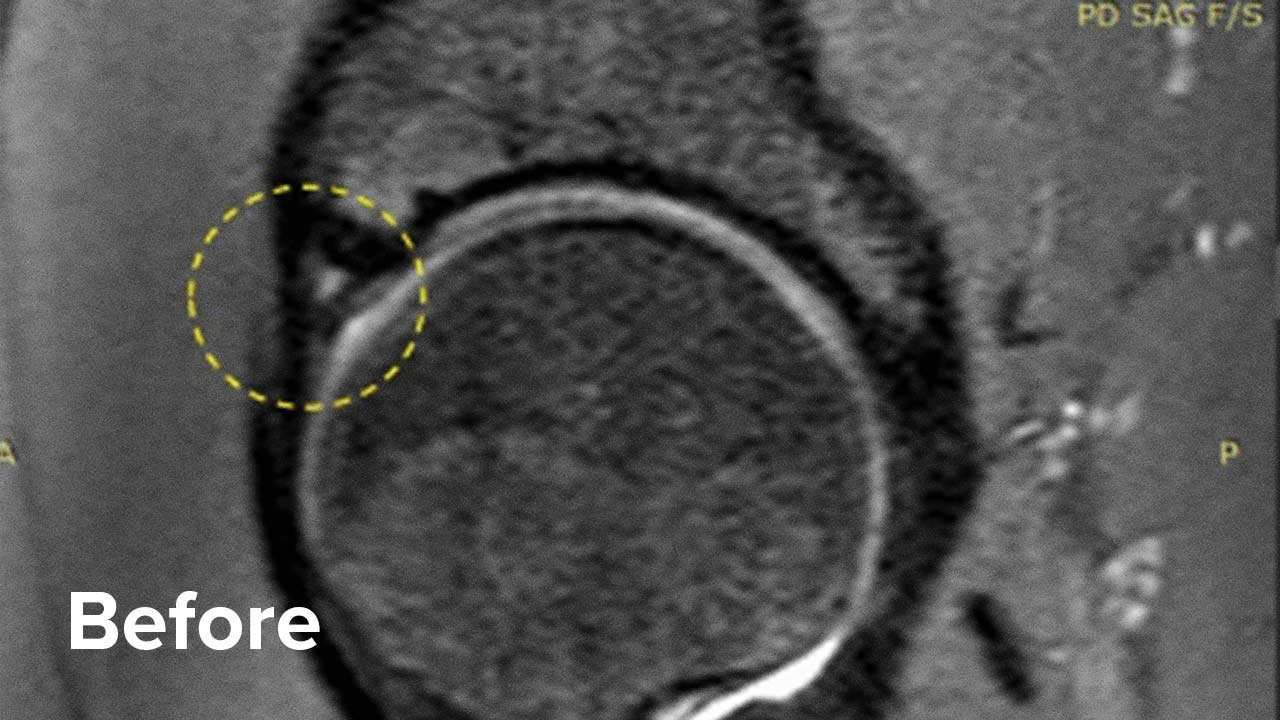
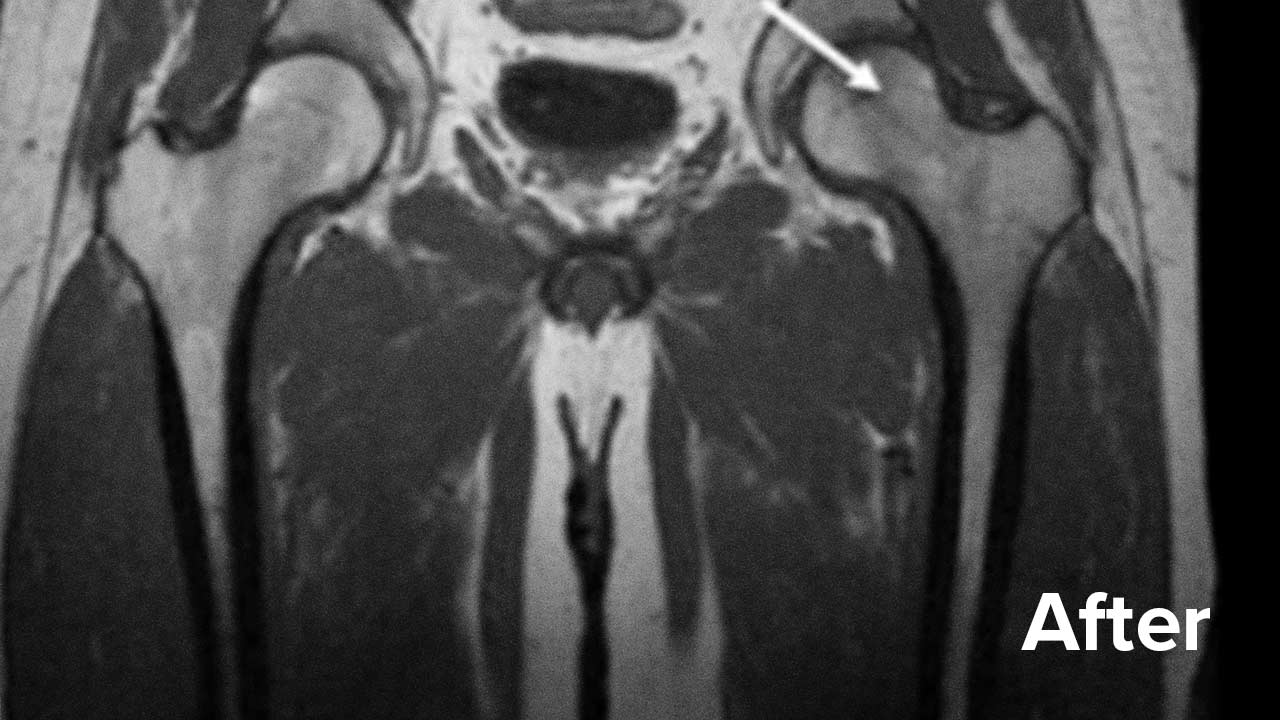
These MRI images show a case involving a patient who had a procedure using Regenexx lab processes instead of surgery.
- Pre-Procedure Image: This MRI shows a tear in the labrum of the hip, indicated by the triangle-shaped space within the dashed yellow circle.
- Post-Procedure Image: The same area appears darker and more uniform in the post-treatment scan.
Imaging findings like these may reflect tissue changes following procedures performed by physicians in the licensed Regenexx network. Individual outcomes may vary. For more information about patient outcomes, please visit our Patients’ Results page: https://regenexx.com/results/.
Patient 1 MRI

Patient 2 MRI
Webinar: Treating Hip Labrum Tears Without Surgery

Join Chris Centeno, M.D., founder of Regenexx, to learn how Regenexx procedures can help treat your hip pain without surgery and with a faster recovery.
During this free webinar you’ll learn:
- How procedures using bone marrow concentrate and platelet-rich plasma (PRP) compare to surgery and other hip pain treatment options
- Regenexx procedure expectations
- Answers to the most common questions about regenerative medicine treatments
FAQs
The hip labrum is a lip of cartilage that surrounds the socket (acetabulum) in the pelvis and helps secure and stabilize the head of the femur in the hip joint.
Hip labrum tears can be caused by:
- Structural issues: Conditions that cause abnormal hip movement can lead to hip labral tears. In femoroacetabular impingement (FAI), the head of the femur doesn’t fit into the socket properly and can cause long-lasting groin pain and movement limitations. FAI can affect people at any age and is the most common cause of hip labrum tears. Without treatment, it may result in osteoarthritis.
- Injury: Trauma to the hip can lead to a hip labrum tear and is particularly common in people who play certain sports with high-impact movements, such as ice hockey, football, soccer, and golf.
- Degenerative osteoarthritis: Osteoarthritis is a chronic degeneration of the cartilage between the joints. As cartilaginous structures like the labrum erode over time, they become more prone to tearing. Advanced age and excess body weight can increase a person’s risk for developing osteoarthritis.
No, labral tears can exist whether there’s hip pain or not. In fact, many hip labrum tears cause no signs or symptoms at all. If there is pain, it’s likely due to a separate issue like sacroiliac (SI) joint dysfunction, pinched nerves in the low back, or problems with hip girdle muscles, ligaments, or tendons.
Occasionally, you may experience one or more of the following with a hip labrum tear: a locking, clicking, or catching sensation in your hip joint; pain in your hip or groin; or stiffness or limited range of motion in your hip joint.
Yes, most hip labrum tears can be identified with an MRI. They provide good definition for large muscles, labrum and tendon tears, and areas of inflammation.
Get started to see if you are a Regenexx candidate
To talk one-on-one with one of our team members about how the Regenexx approach may be able to help your orthopedic pain or injury, please complete the form below and we will be in touch with you within the next business day.
- Torn Hip Labrum and Hip Osteoarthritis
- Hip Labrum Surgery Mania