

Non-Surgical Joint Options Available at Pain Doctors Medical
Are You a Regenexx Candidate?This location is for evaluation appointments only.
- Knee
- Meniscus
- Osteoarthritis
- ACL
The Regenexx® Alternative to Knee Surgery and Knee Replacement Surgery
The Knee Owner’s Manual
How to Avoid Game Changing, Invasive Knee Surgeries and Stay Active as You Age
For individuals managing chronic joint discomfort, interventional orthopedics may offer a non-surgical alternative to steroid injections or invasive surgery. This approach uses the body’s own healing agents to support tissue repair and may help reduce pain associated with joint injuries and arthritis.
Recent research suggests that some common orthopedic joint surgeries may provide no greater benefit than a sham procedure. Joint replacement surgery is a significant intervention with associated risks. Even when successful, surgery typically requires months of rehabilitation to regain mobility and strength. In some cases, surgery can worsen the original issue.
The Regenexx approach may help patients with joint injuries or degenerative conditions. This method, known as Interventional Orthopedics, uses advanced image guidance (fluoroscopy and ultrasound) to deliver concentrated doses of the body’s own cells directly into targeted joint structures. These biologic materials are placed precisely at the site of concern to support repair processes, which rely on accurate placement.
Procedures utilizing proprietary Regenexx processing methods may help improve joint function and may help reduce discomfort without surgery. In this outpatient setting, physicians in the licensed Regenexx network use image guidance to inject customized concentrations of the individual’s own healing agents into specific areas of damage. This is done to stabilize and support the joint. This technique requires advanced training and adherence to Regenexx protocols, and cannot be replicated by providers without Regenexx certification.
Explore Options to Pursue the Activities You Enjoy
Patients may experience symptoms that include chronic stiffness, mechanical instability, or persistent discomfort. These patterns of joint discomfort and mechanical symptoms can occur repeatedly, which may affect activity levels and overall well-being. Physicians in the licensed Regenexx network may help patients better understand their condition and explore appropriate next steps.
Common Causes of Knee Pain
Knee discomfort can arise from a variety of conditions, including:
- Fractures or dislocations
- Injuries to the knee ligaments
- Cartilage damage, such as a meniscus tear
- Knee bursitis
- Tendon inflammation or tears
- General knee pain linked to factors like improper footwear, iliotibial band syndrome, or hip alignment issues
- Osteoarthritis or other degenerative changes in the joint
Understanding the structure of the knee can help provide context for these causes.
Knee Anatomy
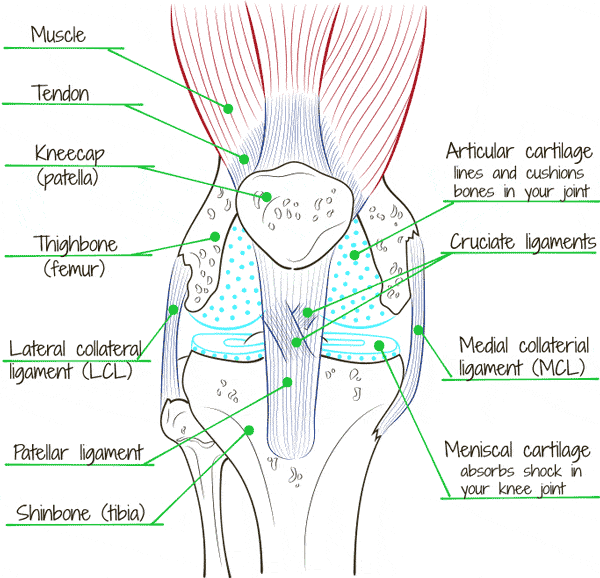
The knee is a complex joint made up of bones, cartilage, ligaments, tendons, and fluid-filled sacs that work together to support movement such as walking, jumping, and bending.
Bones of the Knee
The knee is formed by the femur, tibia, and patella. The ends of the femur and tibia meet at rounded areas called condyles, with the medial condyle on the inner side and the lateral condyle on the outer side of the knee.
Cartilage
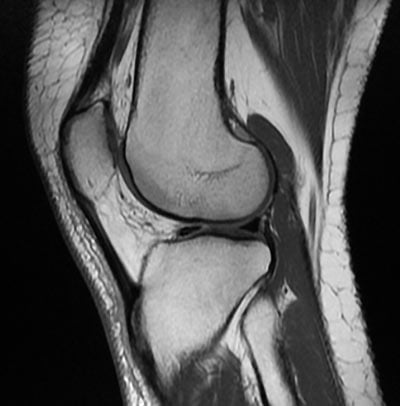
The meniscus is a crescent-shaped cartilage located between the femur and tibia. It helps reduce friction, distribute body weight, absorb impact, and protect the cartilage covering the ends of the bones. Each knee has two menisci: one medial (inside) and one lateral (outside). Degenerative changes in cartilage, such as those seen in osteoarthritis, can lead to joint discomfort.
Bursa Sacs
The knee contains fluid-filled sacs called bursae that cushion areas where tendons and bones meet, helping reduce friction and prevent excessive wear.
Ligaments
Ligaments are strong bands of connective tissue that stabilize the knee. Key ligaments include the anterior cruciate ligament (ACL) and posterior cruciate ligament (PCL), which help maintain alignment between the femur and tibia and support overall stability.
Tendons
Tendons connect muscles to bones. The quadriceps tendon links the quadriceps muscle to the patella, while the patellar tendon connects the patella to the tibia. These structures work together with muscles to enable knee movement.
Treatment Options for Knee Pain from Injury or Arthritis
What can I do to reduce knee pain from injury?
To effectively address knee discomfort, a thorough evaluation is necessary to identify the cause. The knee’s complex structure—including bones, cartilage, ligaments, and tendons—is critical for stability and mobility. Damage to any of these parts can lead to discomfort. Discomfort may also originate outside the joint, such as in the case of iliotibial band (ITB) syndrome or due to worn footwear.
Some knee conditions necessitate rest and/or specific exercises prescribed by a physical therapist. However, when discomfort is persistent or function fails to improve, advanced medical attention may be required. Individuals should be cautious about immediately accepting advice to undergo surgery. Research has shown that many typical surgical procedures, such as arthroscopic meniscectomies, may be ineffective for some individuals and could result in outcomes that do not meet expectations. While surgery may be the most appropriate solution in some severe cases, physicians in the licensed Regenexx network are trained in evaluating and addressing knee issues with non-surgical interventional orthobiologic options.
What does arthritis pain in the knee feel like?
Arthritis literally means inflammation of a joint. Osteoarthritis is a specific type, often referred to as degenerative joint disease. While it can affect various joints, it most commonly damages the knees, hands, hips, and spine.
Knee osteoarthritis symptoms typically develop slowly and can worsen over time. Although the chances of developing arthritis may increase after 45 years of age, it can affect individuals at any age. Symptoms in the knee may include swelling and stiffness, as well as discomfort. There may also be associated cracking noises, and patients may experience feelings of weakness or “buckling” of the knee. Additionally, loose fragments in the joint from cartilage or other tissues can worsen the issue during movement. Both buckling and locking of the knee may increase the likelihood of falls or further joint stress.
Discomfort and swelling in the knee can worsen in the mornings or after prolonged periods of sitting, and pain may increase during rainy or humid weather.
What can I do to reduce arthritis pain in my knee?
Reducing discomfort from chronic conditions like knee arthritis often involves a similar initial approach to acute injuries, but the duration of the condition requires a long-term perspective.
Arthritis in the knee is typically caused by constant, uneven wear within the joint.
While pharmaceutical options exist to mask discomfort symptoms, these are associated with potential side effects that can contribute to or worsen other medical conditions. An alternative approach is to address the uneven wear and provide the necessary environment to may support the body’s natural ability to heal.
For many, surgery, in the form of joint replacement, may be an option for knee arthritis relief. However, this is a serious intervention that may be avoidable for some individuals through the Regenexx approach, which includes interventional orthobiologic procedures using Regenexx injectates designed to support the body’s natural healing response.
Physicians in the licensed Regenexx network—including those at Pain Doctors Medical in Newark, NJ—may be able to assist patients in exploring these non-surgical alternatives.
Supporting Knee Joint Health
The human body possesses natural repair mechanisms that are constantly engaged. A simple example is the healing that occurs after a minor injury, where specialized cells are dispatched to seal and repair damaged tissue.
Similarly, the body conducts ongoing maintenance to support function and recovery. These processes, while not always visible, play a vital role in tissue repair throughout the body, including within the knee joint.
Several factors may influence an individual’s ability to recover from damage and maintain joint health. These lifestyle factors may include:
- Smoking status
- Alcohol consumption levels
- Quality and quantity of sleep
- Frequency and intensity of physical activity
- Nutrition and digestive function, which affect how nutrients reach the body’s cells
- The body’s response to stress
These lifestyle factors can influence how well the body recovers from acute injuries and long-term changes, such as those that contribute to knee arthritis. Even when these factors are optimized, there may still be instances when the body benefits from additional support.
Interventional Orthobiologics and Discomfort Management
Many typical medical treatments rely on medications that mask discomfort without addressing the underlying issue. In some cases, surgical options are pursued that may not result in meaningful long-term improvements in function or discomfort.
Surgical procedures can be physically demanding and involve significant recovery time. Healing from such interventions, particularly joint reconstruction, can require months or more of rehabilitation to regain range of motion, strength, and balance. The joint may not always return to optimal function. Joint replacement introduces foreign materials into the body, which may trigger an inflammatory response. While surgery may be appropriate in certain severe cases, it is a significant step and may not always be necessary as an initial treatment.
The Regenexx approach may support the body’s natural repair mechanisms by directing concentrated cellular elements to the site of joint damage. This process does not involve synthetic materials or pharmaceuticals but instead uses the individual’s own biological material, prepared using proprietary Regenexx processing methods, and precisely applies it to the affected area.
This specialized field is referred to as interventional orthobiologics. Procedures using Regenexx injectates have been used to support improved joint function, mobility, and reduced discomfort, while potentially helping individuals avoid surgery.
Physicians in the licensed Regenexx network are among the most experienced in using this non-surgical approach to orthopedic care. Patients can complete the Candidate Form to learn if this approach may be appropriate for their condition.
For a consultation with a physician in the licensed Regenexx network, patients may visit Pain Doctors Medical at 73-75 Ferry Street, Newark, NJ.
Find a Location
Find a physician in licensed Regenexx network.
Regenexx Benefits
- Increased function
- Pain reduction
- Most individuals do not experience extensive downtime
- Minimal time off of work
- No surgery
- Minimal use of mobility tools (crutches, etc.)
- Minimal disruption of regular routine
73-75 Ferry Street
Newark, NJ 07105
Request an Appointment
Call to Schedule Schedule OnlineClinic Hours (evaluation appointments only)
| Sunday | Closed |
| Monday | 9AM–5PM |
| Tuesday | 9AM–5PM |
| Wednesday | 9AM–5PM |
| Thursday | 9AM–5PM |
| Friday | 9AM–5PM |
| Saturday | Closed |